







Search Results for: Homemade Cold Brew Method
Cold Brew Coffee | How long can homemade cold brew coffee be stored? What is the flavor and mouthfeel of cold brew? Single-origin coffee bean recommendations for a cold brew with pronounced fruity sweetness
Cold Brew Coffee is exactly what it sounds like. Put ground coffee into room-temperature water, let it steep and extract for 12 hours, then filter out the grounds—what's left is cold brew coffee. Compared with regular hot-brewed coffee, it has a noticeably stronger coffee taste, less bitterness, and a smoother mouthfeel. [more…]
Homemade Iced Coffee | How to Easily Make Delicious Cold Brew Coffee? Can Cold Brew Be Extracted at Room Temperature? How Long Does Prepared Cold Brew Stay at Its Best?
For professional coffee knowledge exchange and more coffee bean information, please follow Coffee Workshop (WeChat official account: cafe_style). For more specialty coffee beans, please add our private WeChat: Front Street Coffee (FrontStreet Coffee), WeChat ID: qjcoffeex. Under the scorching weather [more…]
Homemade Cold Brew Coffee Guide | What Is German Iced Coffee? How Do You Make Italian Iced Coffee? Which Pour-Over Coffee Beans Are Suitable for Cold Brew Iced Coffee?
For more specialty coffee knowledge, please follow: FrontStreet Coffee In different European countries, iced coffee is also different! Some add ice cubes to hot coffee, some add ice cream to hot coffee, and some use cold water immersion extraction. For example, in the United States, the basic pairing [more…]

The History of Cold Brew Coffee | What Types of Coffee Beans Should You Use for Homemade Cold Brew Coffee? What Are the Coffee-to-Water Ratio, Extraction Time, and Grind Size Parameters for Cold Brew?
For more specialty coffee knowledge, please follow our WeChat official account: Front Street Coffee (FrontStreet Coffee). In the coffee industry, iced coffee is extremely popular, especially in the hot summer, when its popularity feels like fans surrounding their idol. So, speaking of iced coffee, [more…]
Homemade Iced Coffee | What's the Difference in Taste Between Cold Brew Coffee and Ice Drip Coffee? What Are the Key Points for Making Ice Drip and Cold Brew? What Is the Coffee-to-Water Ratio for Ice Drip and Cold Brew?
In recent years, cold brew coffee and ice drip coffee have won huge favor among coffee consumers! Especially in summer, the ice drip/cold brew coffee in coffee shops becomes the "king of kings" among iced coffees! One reason is that it has a mouthfeel that iced pour-over coffee/iced Americano coffee cannot replicate, and another is that its production time is long, [more…]
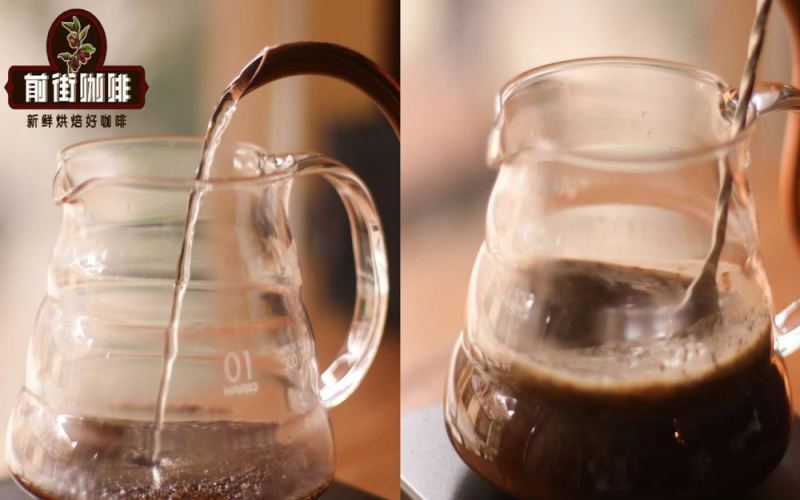
How to Make a Latte Without a Coffee Machine: A Complete Guide to Easy Homemade Cold Brew Milk Coffee
Want to enjoy a silky, smooth latte at home but don't have an espresso machine? In fact, with just a few simple steps and a long, low-temperature steep, you can make a full-bodied, guilt-free cold brew milk coffee. This article breaks down the principles of milk brew coffee in detail, explaining why low-temperature extraction avoids bitterness and preserves aroma, and walks you through choosing beans and milk, along with specific coffee-to-milk ratios and steeping times. From gathering ingredients to the lazy version of the method, plus tasting and storage tips, this covers everything so you can easily achieve latte freedom at home. [more…]
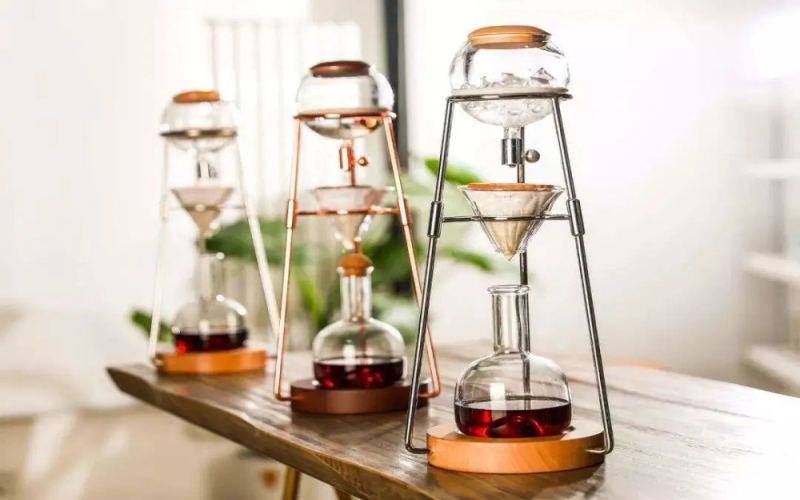
Home-made Cold Brew Coffee: A Complete Guide to Simple Equipment and DIY Methods
On a scorching summer day, a glass of cold brew coffee is a favorite for many coffee lovers. Traditional cold brew towers are not cheap, yet they are often used infrequently, so netizens have started to brainstorm and build all kinds of "DIY cold brew" contraptions using everyday items like filter cups, drip bags, and mineral water bottles. This article rounds up several of the most representative simple home cold brew setups: from stacking filter cups, to converting drip coffee bags, to combining moxibustion racks with plant-watering nozzles—each one showcases the creativity and dedication of coffee enthusiasts. Although these homemade devices are not as precise as professional cold brew towers, they make up for it with low cost, plenty of fun, and the joy of drinking iced coffee you extracted yourself. If you'd also like to try cold brew at home, you might as well take inspiration from these ideas and use the objects around you to start a low-temperature extraction experiment. [more…]
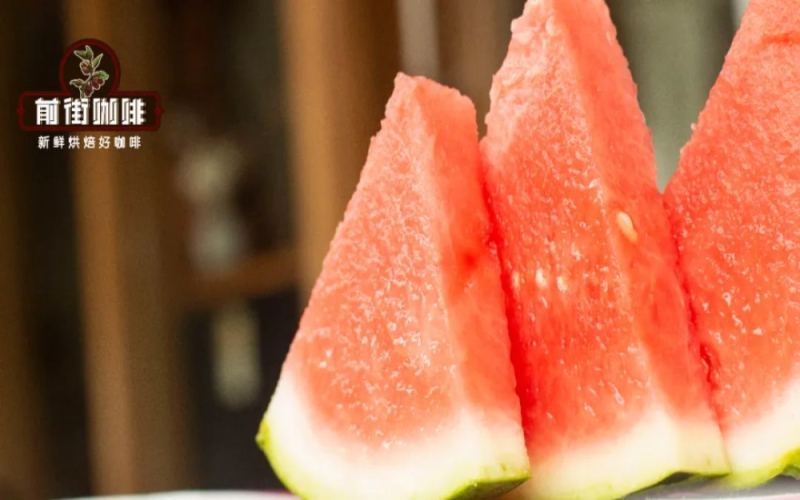
Can Watermelon and Coffee Be Enjoyed Together? A Detailed Guide to Three Homemade Watermelon-Style Iced Coffee Drinks
On a scorching summer day, the pairing of watermelon and iced coffee is all the rage. Front Street Coffee found that juicy watermelon pairs far better with crisp black coffee than with milk, so they put together three watermelon mix-and-match options: watermelon sparkling Americano, watermelon cold brew coffee, and watermelon iced pour-over. From melon-picking tips and material preparation to detailed steps, Front Street breaks down the key points for making each drink one by one, including using Warm Sun Blend to make the sparkling Americano, Colombia · Rose Valley cold brew paired with freshly squeezed watermelon juice, and the complete parameters for making iced pour-over with Sidamo · Elto combined with frozen watermelon juice cubes. Each of the three methods has its own merits—there are simple, quick everyday versions, and more advanced approaches that require preparing ingredients in advance—making them suitable for coffee lovers to try their hand at during the hot weather. [more…]

No Ice Drip Pot Needed: Homemade Ice Drip Coffee Tutorial and Cold Storage Duration Guide
In hot weather, a glass of cold brew coffee always brings a refreshing coolness. Front Street Coffee's cold brew has recently been in short supply, and many people choose it not only because its flavor differs from ordinary iced coffee, but also because they feel they can't make it at home. In fact, with just a dripper, a few filter papers, ground coffee, and ice cubes, you can put together a simple "home-version cold brew tower." This article breaks down in detail the equipment, parameters, operating steps, and common mistakes of this method, while also explaining the extraction impact caused by the structural differences between a dripper and a cold brew tower, and providing a list of Front Street beans suitable for making cold brew. Finally, it will also explain how long cold brew coffee needs to be refrigerated and fermented after it is formed, as well as how long it can be stored under refrigeration and at room temperature respectively. [more…]
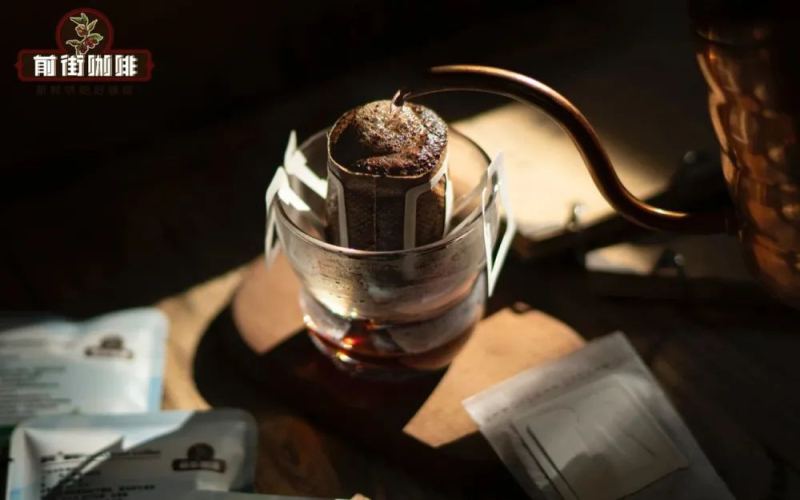
How to choose the grind size for pour-over coffee? How many grams of grounds should go into each homemade drip bag?
More and more people are starting to drink pour-over coffee, but busy daily life makes drip bags a compromise choice. Buying ready-made drip bags is convenient, but the aroma fades quickly; buying beans and grinding them fresh to make your own locks in more flavor and saves you from worrying about them going stale. This article is for friends who want to make their own drip bags at home. It first breaks down how coarse pour-over coffee beans should be ground—what sieve passing rates and EK43s and C40 settings correspond to light-medium roasts, medium-dark roasts, and dark-roast espresso beans—then uses Yirgacheffe Red Cherry as an example to demonstrate, and finally explains in three steps the 10g-per-packet portioning, sealing, and storage method, with reference to several Front Street Coffee drip bag flavor profiles. [more…]
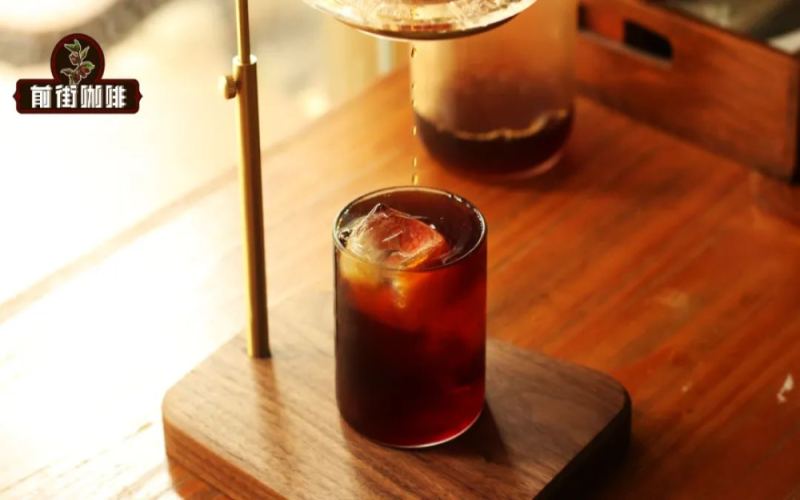
Is Cold Brew Coffee with Milk Good? A Detailed Guide to Cold Brew Coffee-to-Water Ratios and Brewing Tips
On a scorching summer day, iced coffee becomes many people's lifesaving elixir, and cold brew (cold steep) firmly holds the top spot among homemade iced coffees thanks to its simple operation and smooth taste. But many people secretly wonder: can the cold brew they've made be mixed with milk and drunk together? The answer is yes, but if you want the coffee aroma and milky fragrance to both shine, the ratio of grounds, water, and milk must be just right. This article breaks down everything one by one, from bean selection for cold brew, grind coarseness, coffee-to-water ratio, and steeping time, to the golden ratio for adding fresh milk, and also includes a lazy trick for making cold brew with drip bags, so you can easily recreate an iced milk coffee at home that rivals a café's. [more…]
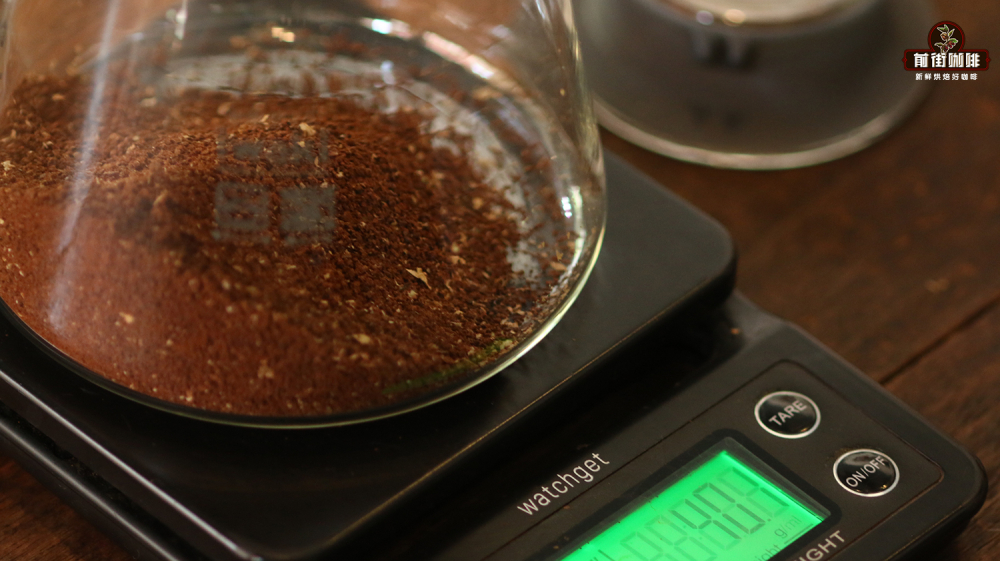
Cold Brew Bean Recommendations for Beginners | Are Floral and Fruity Coffee Beans Suitable for Cold Brew? How to Make Delicious Yirgacheffe Cold Brew at Home?
Whenever the perceived temperature rises above 25°C, people start looking for refreshing iced coffee, and cold brew is one of the most popular homemade iced coffee options, because it is easy to make with simple equipment—as long as you have a bag of fresh, good beans, you can effortlessly make delicious coffee at home. If you were to recommend one suitable for begin [more…]
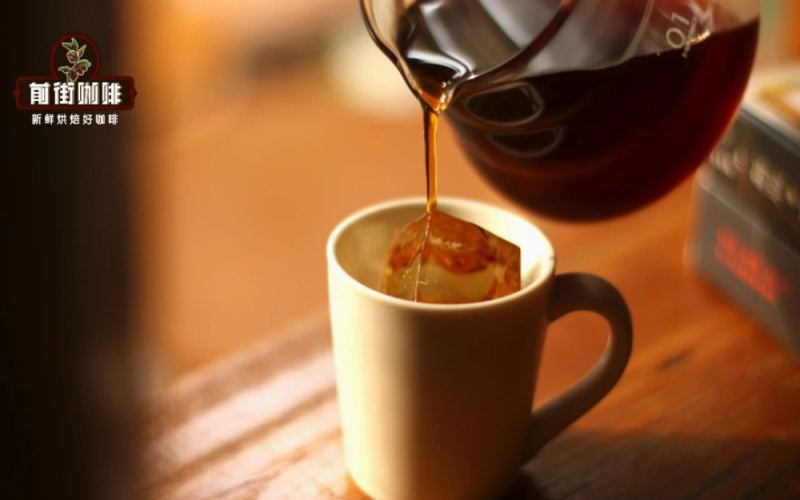
Five Common Questions About Cold Brew Coffee Answered: Why Is It So Expensive When It's So Easy to Make?
Cold brew coffee has rapidly risen in popularity in China in recent years, winning the hearts of many coffee enthusiasts with its refreshing taste and mild, balanced flavor. It originated in the United States, spread to Japan and Europe through social media, and became even more popular worldwide after Starbucks officially launched it. Many people wonder: What exactly is the difference between cold brew and regular iced coffee? Why is cold brew coffee more expensive? Can I make it at home myself? This article will address these five common questions, from the definition of cold brew and its essential difference from iced coffee, to specific homemade methods, the coffee-to-water ratio, and the cold brew performance of Front Street Elida coffee beans, answering them one by one. [more…]
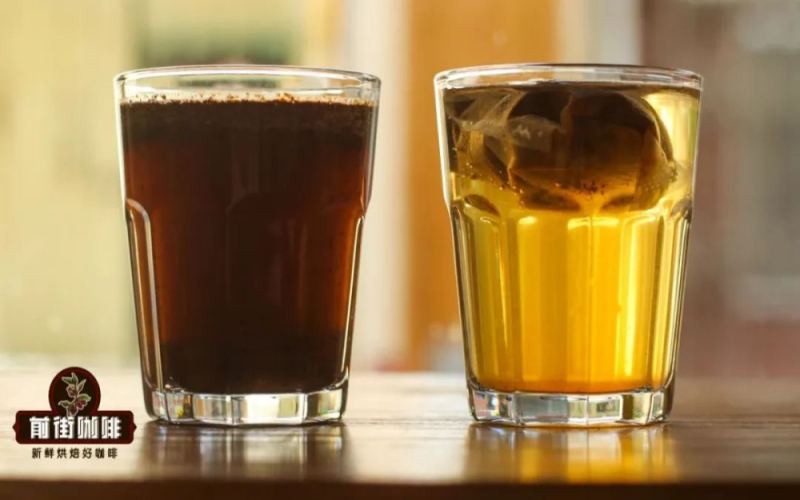
The Complete Guide to Cold Brew Coffee: From Bean Selection to Parameters, Teaching You to Make Clean and Sweet Iced Coffee
On a scorching summer day, a glass of icy, clean cold brew coffee is undoubtedly a refreshing treat. Unlike iced coffee drinks such as cold drip or affogato, cold brew is made by steeping coffee grounds in cold water for an extended period and then filtering—simple to make, yet full of subtle details. This article will systematically explain how to make cold brew coffee from the perspectives of bean selection, grind size, coffee-to-water ratio, brewing temperature, and time, while sharing Front Street Coffee's practical parameters and troubleshooting experience for common issues, helping you easily craft a balanced, richly flavored homemade cold brew. [more…]
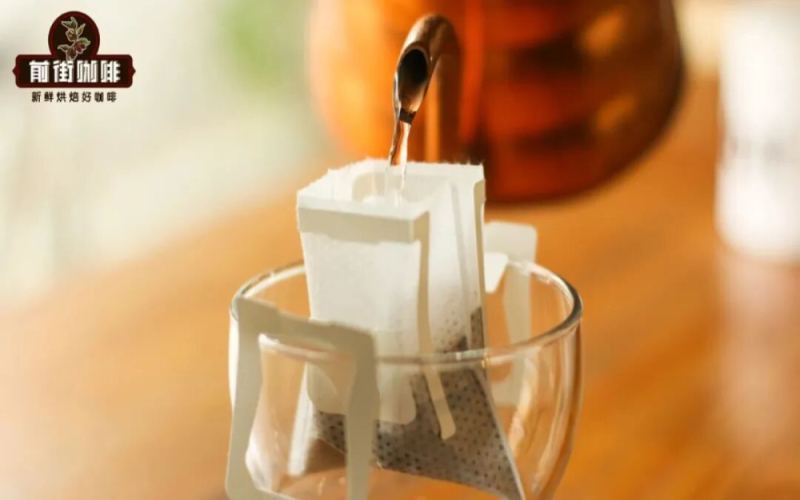
Can Drip Bag Coffee Brew a Latte-Like Flavor? Four Detailed Homemade Methods to Increase Concentration
Many people only have drip bags on hand but want to drink a latte with a milky aroma—is this actually possible? The black coffee brewed from a drip bag is far less concentrated than espresso, and adding milk directly tends to make it weak and separated. But drip bags originate from pour-over, which is highly versatile; as long as you find a way to increase the concentration of the coffee liquid, you can make a decent-tasting "fake latte." This article compiles four practical methods summarized by Front Street Coffee: the stirring method, the repeated brewing method, the milk brewing method, and the added milk powder method, and recommends medium-to-dark roast beans suitable for pairing with milk, such as Indonesian Mandheling, Colombian Huila, Queen's Estate, Cerrado, and Blue Mountain No. 1. Whether at home, in the office, or camping, you can achieve a rich and smooth milk coffee experience with simple steps. [more…]

Analysis of the Causes of Slow Cold Brew Drip Filtration and Three Speed-Up Solutions
When making cold brew at home, the most frustrating part is usually the filtering stage—the coffee liquid drips slower and slower, and even after more than ten minutes it still hasn't finished filtering, with the filter paper completely clogged by fine particles. Why is the filtering speed of cold brew so much slower than pour-over at the same grind size? The main reason is that fine particles clump together and block the pores of the filter paper. Through comparative experiments, Front Street Coffee has summarized three efficient and practical cold brew filtering techniques: cold brewing directly in a non-woven filter bag, insisting on stirring before straining out the grounds, and using coarse coffee grounds as a base layer to intercept fine particles. This article breaks down the principles and operational details of each method one by one, helping coffee lovers quickly enjoy a cup of full-flavored homemade iced coffee even on a busy morning. [more…]
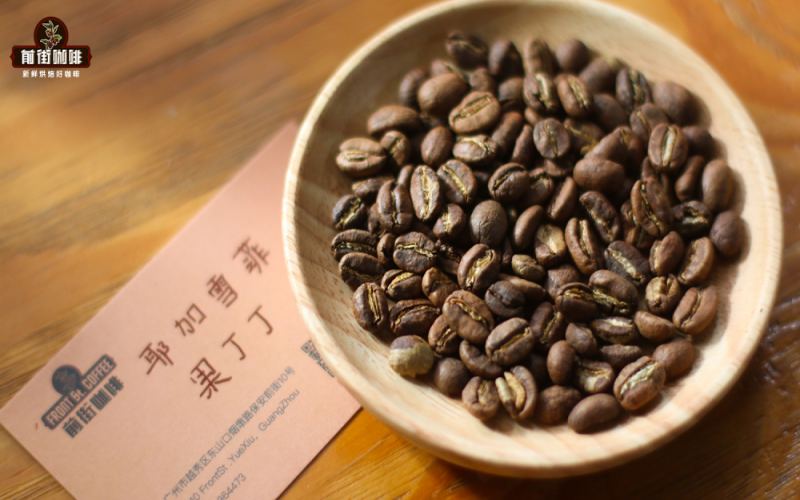
Yirgacheffe Pour-Over Parameters Explained: Extraction Approaches for Washed and Natural Beans, Plus Cold Brew Methods
Yirgacheffe is a region beloved by many coffee enthusiasts, but the two processing methods—washed and natural—call for different brewing parameters. This article takes Front Street's washed Giddingding Cooperative and natural Red Cherry lots as its starting point, breaking down key variables such as grind size, dripper selection, water temperature range, and coffee-to-water ratio in detail, along with step-by-step instructions for making cold brew at home. Whether you want to highlight the bright acidity and floral notes of washed beans, or amplify the full-bodied sweetness and juicy character of natural beans, you'll find a corresponding brewing approach here. [more…]
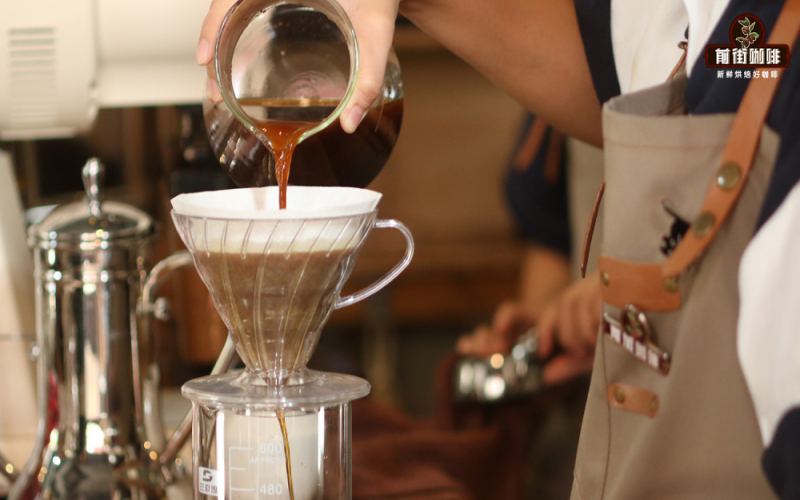
How should you choose the right bean variety for cold brew coffee? And how should you gauge the grind size and the amount of water for steeping?
As the hot summer approaches, homemade iced coffee has become a favorite among many coffee lovers, and cold brew stands out as the most popular chilled drink thanks to its simple process and easy home setup. But cold brew isn't something you can nail with just any bag of beans—the variety you choose, how fine you grind, and how much water you add all directly affect the final flavor. Starting from Front Street Coffee's hands-on cold brew practice, this article breaks down the coffee-to-water ratio, grind standard, steeping time, and filtering details in detail, and recommends three light-to-medium roast beans suitable for cold brew, including Panama Butterfly, Yirgacheffe Red Cherry Project, and Costa Rica Mozart. It also explains how long the finished cold brew should rest before drinking and how many days it can be kept refrigerated, so you can consistently make a clean, balanced, and refreshingly cold brew at home. [more…]
Cold Brew Coffee via Low-Temperature Slow Extraction: Principles, Grind Size Selection, and the Suitability of Mandheling
The most delightful thing in summer is nothing more than staying at home with the air conditioning on and drinking a cup of homemade cold brew coffee. Cold brew uses low-temperature extraction throughout, which is completely different from iced pour-over or iced Americano, where hot water is used first and ice is added afterward. Low temperatures suppress the release of bitter compounds, but they also lengthen the extraction time, generally requiring 6 to 12 hours. This article will explain the relationship between the extraction principles of cold brew and the flavor composition of coffee beans, explain why increasing concentration actually requires coarsening the grind, provide a specific method using 30g of coffee, a 1:13 coffee-to-water ratio, and 8-12 hours of refrigeration, and sort out three types of beans suitable for cold brew: light roast, fermented flavor, and dark roast, with a key response to whether Mandheling is suitable, while also noting that choosing coffee beans rested for more than 10 days is better for aroma expression. [more…]

The Complete Guide to Cold Brew Coffee: From Bean Selection to Filtration—Why Is Your Cold Brew Always Cloudy with Sediment?
Cold brew coffee, with its refreshing and smooth taste brought about by low-temperature extraction, has become increasingly popular among coffee enthusiasts in recent years. All you need is coffee grounds, cold water, an airtight container, and a refrigerator to make it easily at home. However, many people find in practice that their homemade cold brew is never as rich and sweet as what they get at coffee shops, and sometimes it even turns out cloudy with sediment. Drawing on Front Street's practical experience, this article systematically sorts through the bean selection approach, steeping time, coffee bean freshness, stirring technique, and filtration key points for cold brew coffee, helping you identify where the problem lies and make a cup of cold brew coffee with full flavor and a clear texture. [more…]